21 Fun Summer Kids Crafts with Simple Instructions

- Simple projects built from household items and recycled materials
- Clear steps that support fine motor practice and creative thinking
- Options that work for ages four and up with basic adult help on cutting or hot glue
Research shows that the average child can lose more than two months of mathematical knowledge during summer vacation. Hands-on projects give children a practical way to stay engaged without worksheets or screens.
These ideas fit into ordinary days. Many require a single walk outside or a quick look through the recycling bin. Begin with whichever project matches the supplies already on the table.
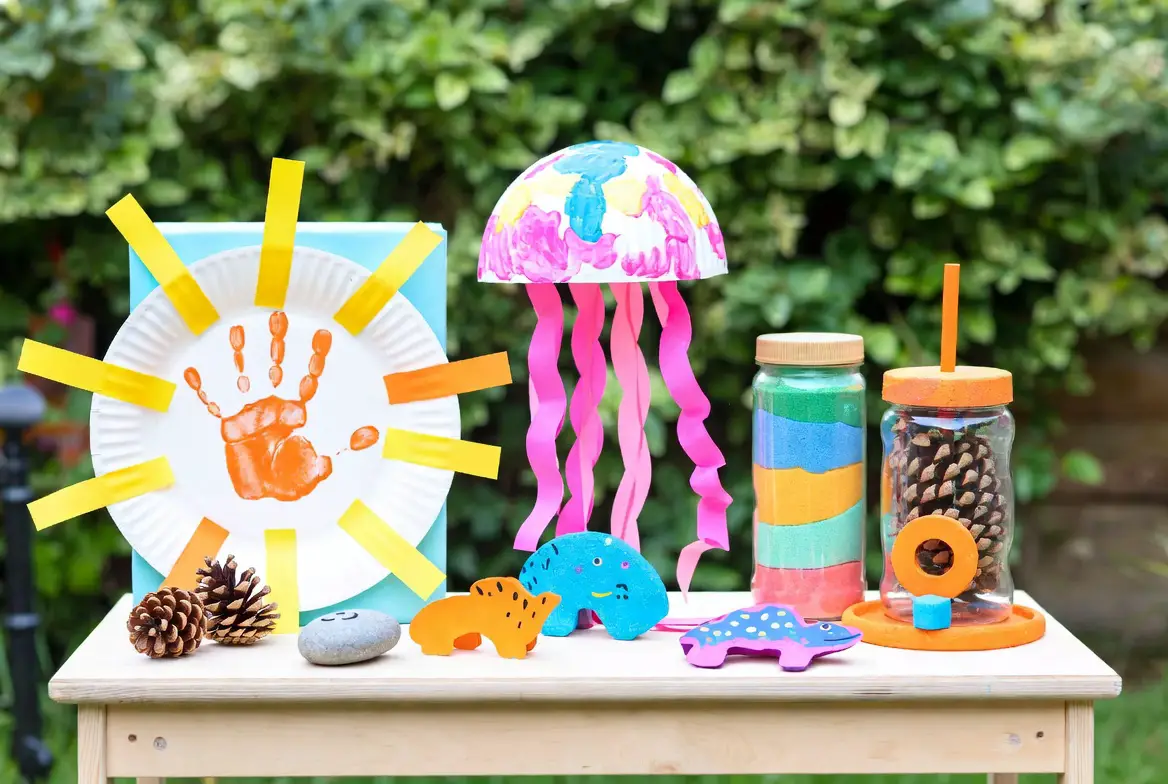
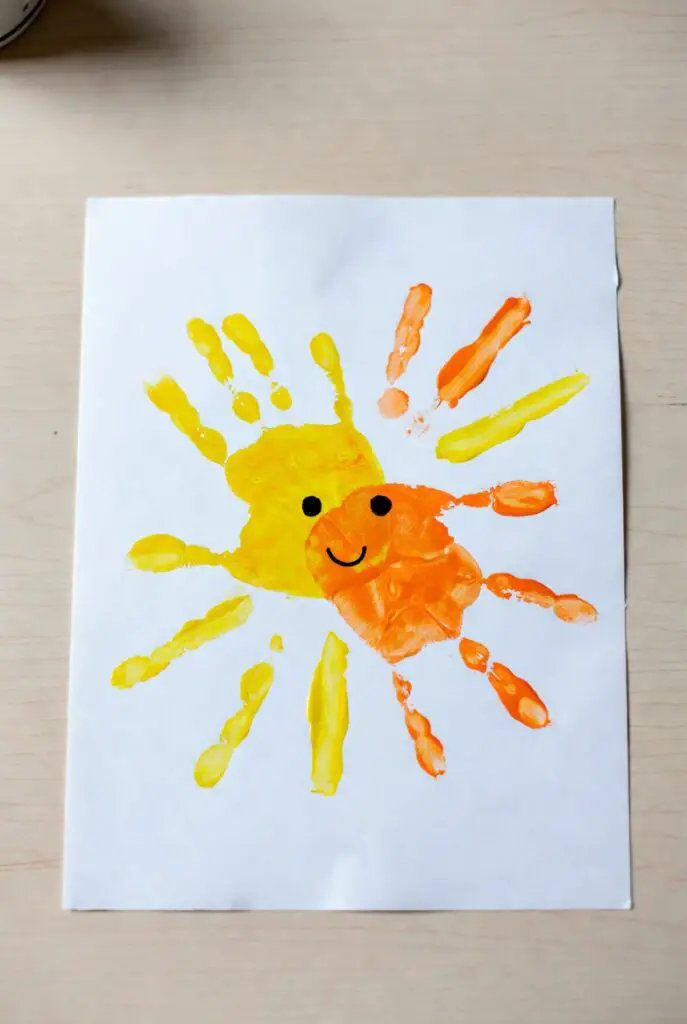
1. Handprint Summer Sun
This project turns paint and a hand into a lasting decoration. It asks children to control pressure and placement, skills that carry over to holding pencils and using scissors later.
Materials
- Washable yellow, orange, and red paint
- White or yellow paper
- Shallow dishes or paper plates
- Paintbrush or sponge
- Black marker
Steps
- Pour small amounts of each paint color into separate dishes.
- Dip one hand fully into the yellow paint and press it firmly in the middle of the paper.
- Dip fingers into the orange and red paints and press them around the edges to form rays.
- Let the paint dry completely.
- Draw a simple face in the center with the marker.
Hang the finished piece near a window where morning light hits it. The colors stay bright for weeks.
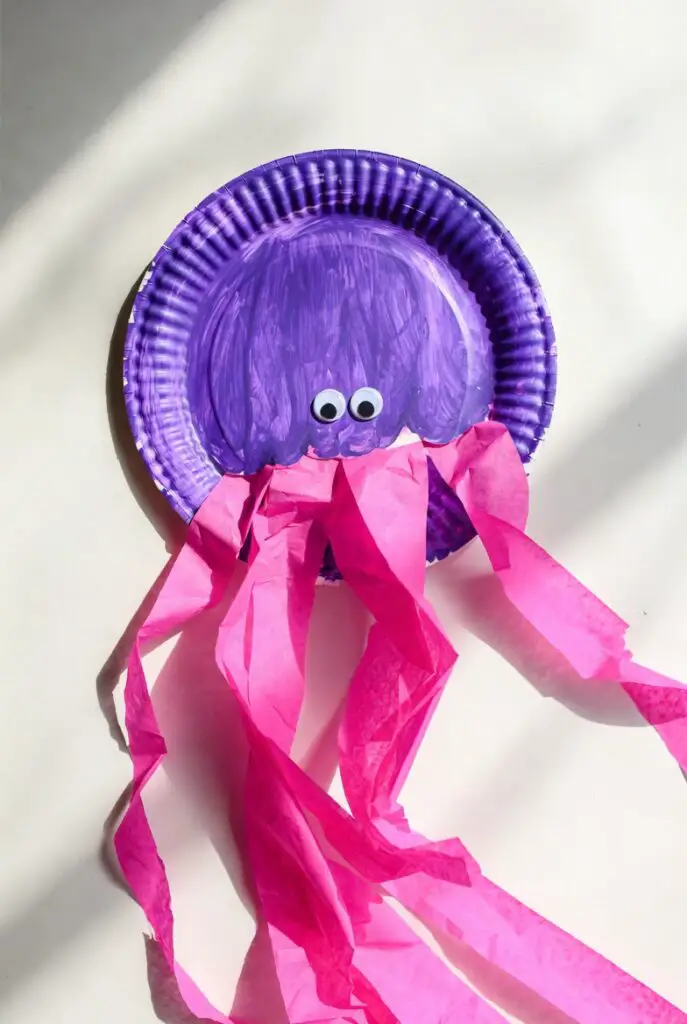
2. Paper Plate Jellyfish
Ocean themes appear often in summer because children notice shells and waves on any trip to water. This version uses a paper plate as the bell and adds flowing tentacles.
Materials
- Paper plate
- Washable paint in ocean colors
- Pink or purple tissue paper or crepe paper streamers
- Googly eyes or drawn eyes
- Glue stick or white glue
- Scissors
Steps
- Paint the back of the paper plate in light blue or purple and let it dry.
- Cut tissue paper or streamers into strips about eight inches long.
- Glue the strips along the bottom edge of the plate so they hang down.
- Attach two googly eyes or draw eyes near the top.
- Punch a small hole at the top and add string if you want to hang it.
The jellyfish moves when a child walks past it, which often leads to stories about what else lives under the waves.
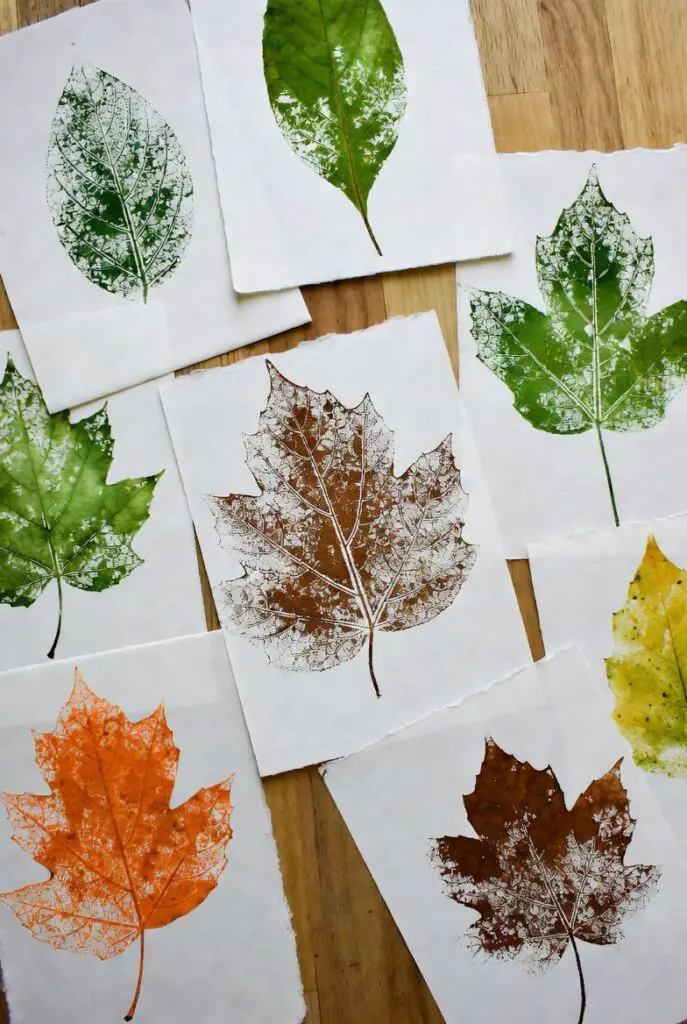
3. Leaf Rubbing Prints
A short walk supplies the main material. The rubbing technique shows leaf veins clearly and gives children a record of what grew nearby that month.
Materials
- Fresh leaves of different shapes
- White paper
- Crayons with paper wrappers removed
- Clipboard or hard surface
Steps
- Place a leaf vein side up on the clipboard.
- Lay paper over the leaf and hold it steady.
- Rub the side of a crayon firmly across the paper until the leaf shape appears.
- Move the leaf and repeat with new colors or different leaves.
- Label each print with the date and location if the child wants a small nature journal page.
The finished pages stack easily into a folder for later comparison with autumn leaves.
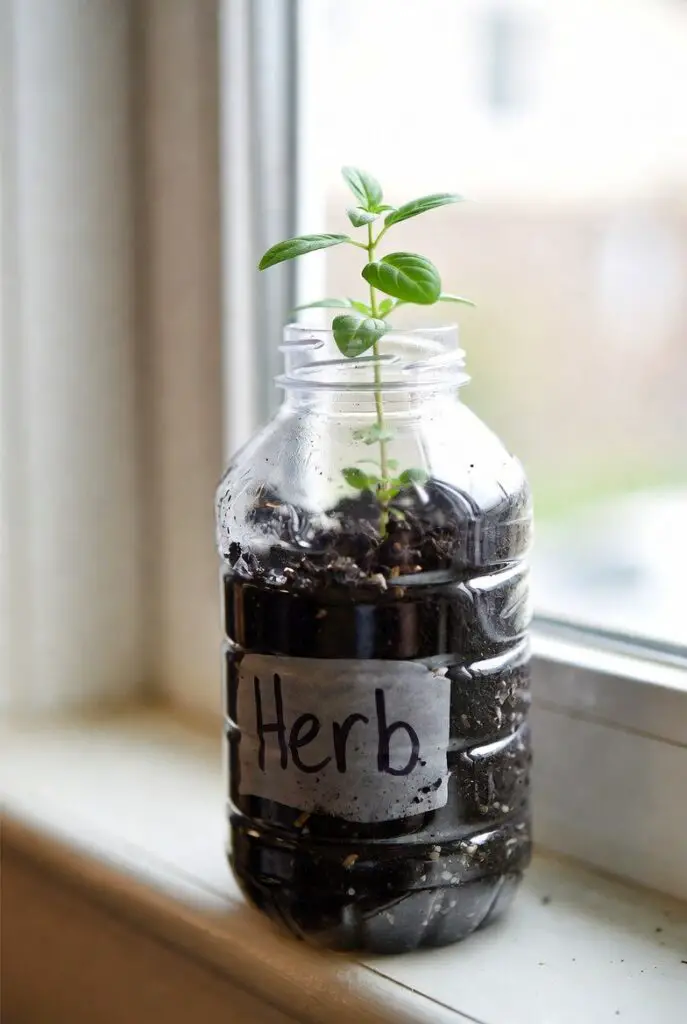
4. Recycled Bottle Planters
Plastic bottles that would otherwise go into the bin become containers for herbs or small flowers. The project combines cutting, measuring, and basic plant care.
Materials
- Clean plastic water or soda bottles
- Scissors or craft knife (adult use)
- Soil
- Small herb seeds or seedling
- Permanent marker
Steps
- Cut the bottle in half horizontally, keeping the bottom portion about four inches tall.
- Poke several small drainage holes in the bottom with the scissors tip.
- Fill with soil to about one inch from the top.
- Plant seeds or transplant a small seedling and water lightly.
- Write the plant name on the side with the marker.
Place the planters on a sunny windowsill. Children check soil moisture daily and record growth on a simple chart.
5. Homemade Bubble Wands
Bubbles work outdoors on calm days and require almost no cleanup. The wands cost pennies yet produce large, long-lasting bubbles when the solution is right.
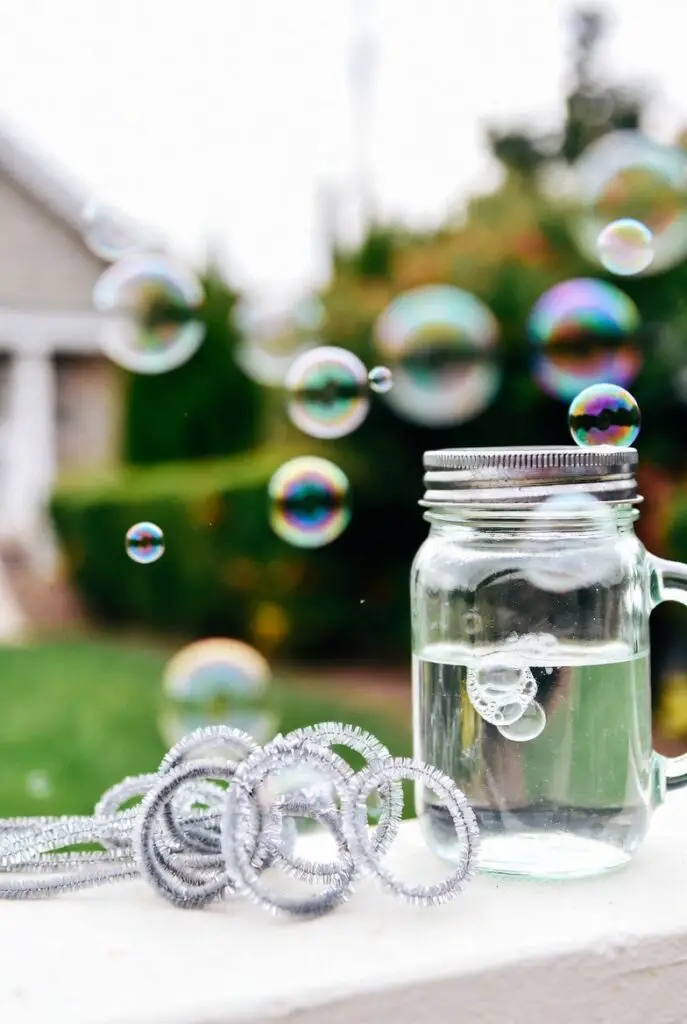
Materials
- Pipe cleaners or thin wire
- Dish soap
- Water
- Small bowl or jar
- Optional: glycerin or corn syrup for longer bubbles
Steps
- Bend a pipe cleaner into a circle about three inches across, twisting the ends to form a handle.
- Mix two cups water with four tablespoons dish soap in the bowl.
- Add one tablespoon glycerin if available and stir gently.
- Dip the wand circle into the solution and lift slowly.
- Wave the wand through the air to release bubbles.
Experiment with different circle sizes to see which produces the biggest bubbles. The activity often continues until the solution runs out.
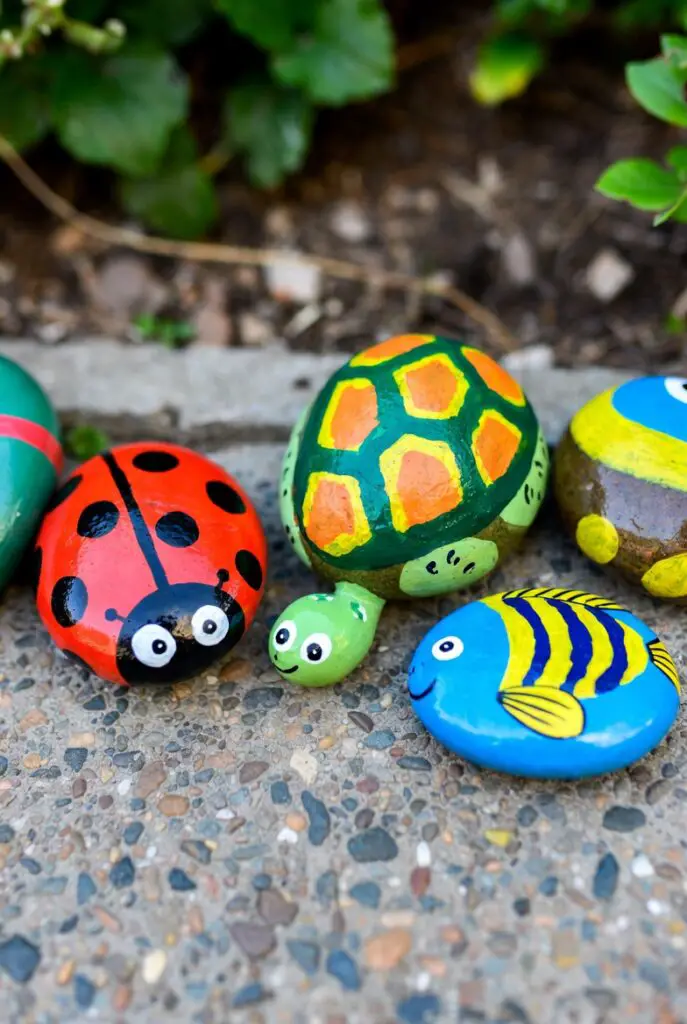
6. Painted Rock Summer Creatures
Smooth stones from a park or garden become ladybugs, turtles, or fish. The small scale forces careful brush control and attention to detail.
Materials
- Smooth, clean rocks
- Acrylic or washable paint
- Small paintbrushes
- Black marker
- Clear sealant spray (optional, adult use)
Steps
- Wash and dry the rocks completely.
- Paint the base color and let it dry.
- Add spots, stripes, or shell patterns with a smaller brush.
- Draw eyes and a mouth with the marker once the paint dries.
- Spray with sealant outdoors if the rocks will stay outside.
Line the finished creatures along a garden path or windowsill. Many children arrange them into scenes and add more rocks the following week.
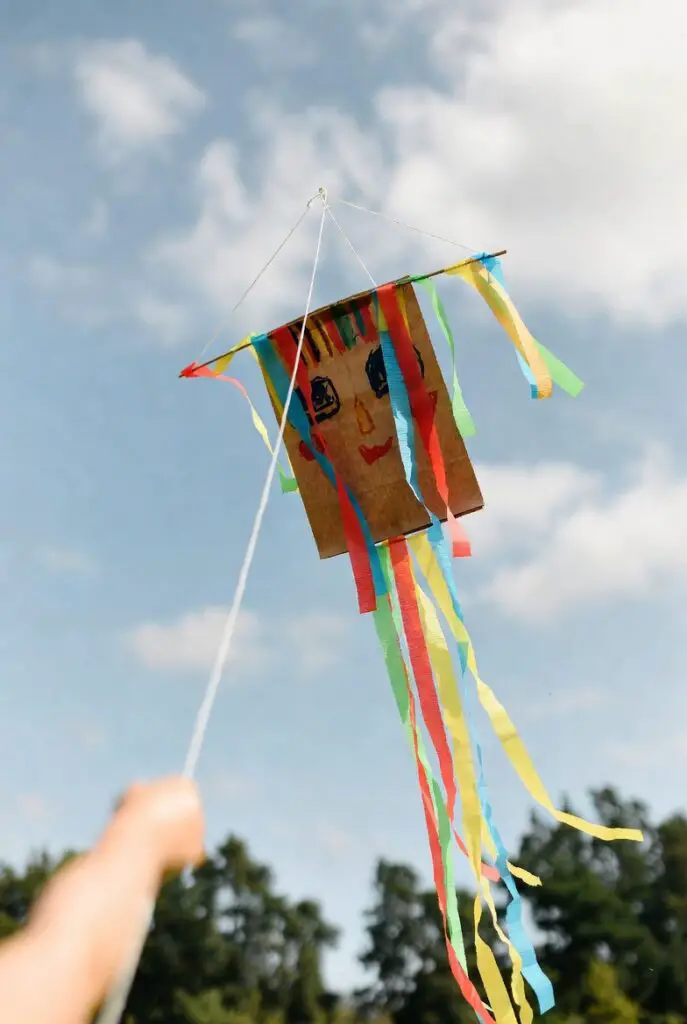
7. Paper Bag Kites
A simple paper bag lifts in a light breeze and gives children an excuse to run across open grass. The project practices folding, taping, and balancing.
Materials
- Brown paper lunch bag
- String or yarn
- Crepe paper streamers
- Markers or crayons
- Tape or glue
- Two drinking straws or thin sticks
Steps
- Decorate the bag with summer drawings or bright colors.
- Tape the straws or sticks inside the bag in a cross shape to keep it open.
- Attach streamers to the bottom edge with tape.
- Poke two small holes near the top and thread string through for the flying line.
- Run with the kite on a breezy day and adjust the string length until it rises.
The kite often sparks conversations about wind direction and how real kites stay aloft.
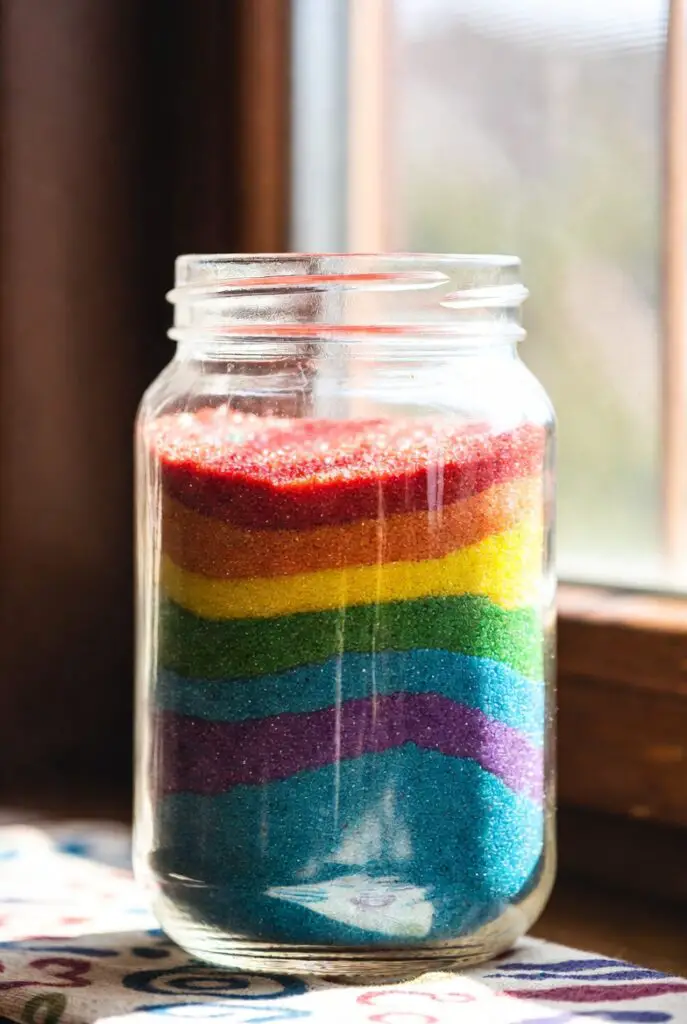
8. Layered Sand Art Bottles
Colored sand or salt creates striped patterns inside clear jars. The layering demands steady hands and a sense of color order.
Materials
- Clean glass jars with lids
- Salt or fine sand
- Food coloring
- Small funnel or spoon
- Paper towels
Steps
- Divide salt into small bowls, one for each color desired.
- Add a few drops of food coloring to each bowl and stir until the color spreads evenly.
- Let the colored salt dry on paper towels for ten minutes.
- Spoon or funnel layers into the jar, tapping gently after each color to settle it.
- Fill to the top, screw on the lid, and display in a window.
The jars catch light differently throughout the day, which often prompts children to rearrange them or start a second jar with new color combinations.
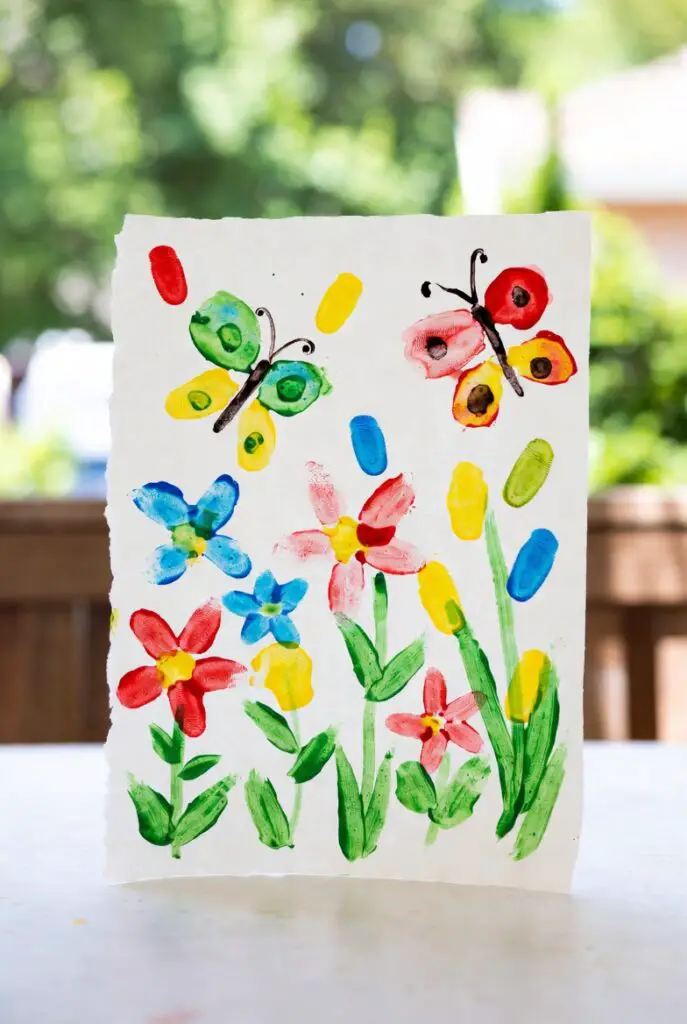
9. Fingerprint Summer Garden
Ink or paint on fingertips creates flowers, butterflies, and bees without any drawing skill required. The project works well for younger children who prefer direct contact with materials.
Materials
- White or light-colored paper
- Washable paint or ink pads in bright colors
- Black marker
- Wet wipes for cleanup
Steps
- Press a fingertip into green paint and stamp several times to form stems and leaves.
- Use different colors for flower petals by stamping in a circle around the top of each stem.
- Add a fingerprint butterfly by stamping two wings side by side and drawing a body between them.
- Draw antennae or small details with the marker once the paint dries.
- Sign the corner with the date.
The finished garden fits in a frame or becomes the cover for a summer scrapbook.
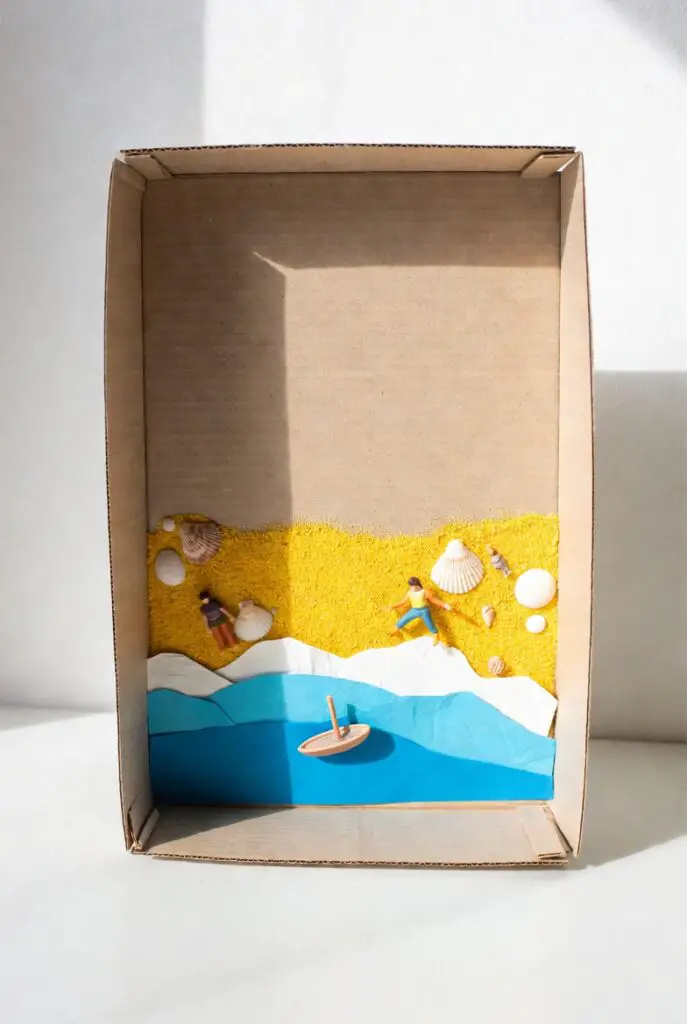
10. Cardboard Box Beach Diorama
A shallow box becomes a miniature shoreline. Children arrange sand, paper waves, and small figures to tell their own beach story.
Materials
- Shallow cardboard box
- Blue and yellow construction paper or paint
- Sand or salt
- Small shells or pebbles if available
- Toy figures or drawn paper people
- Glue and tape
Steps
- Paint or cover the inside of the box with blue for water and yellow for sand.
- Glue sand or salt onto the yellow section.
- Cut wave shapes from blue paper and glue them along the water edge.
- Arrange shells, pebbles, or figures on the sand area.
- Add a paper sun or cotton clouds to the top edge.
The diorama stays on a shelf and invites ongoing changes as new small treasures appear from walks or pockets.
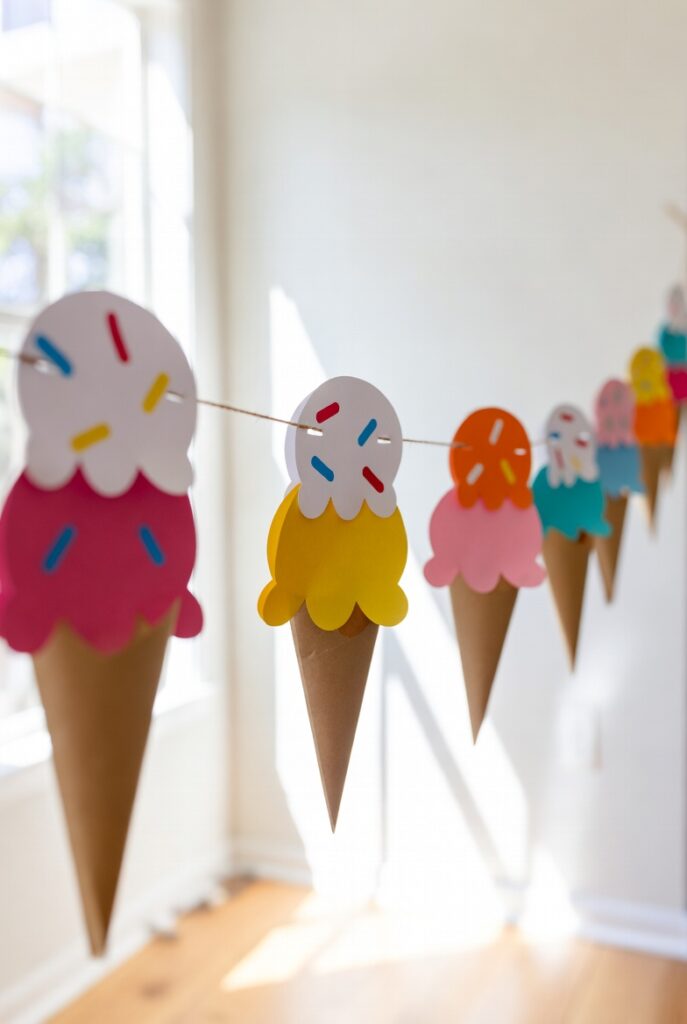
11. Paper Ice Cream Cone Garland
Paper scoops stack on a string to form a playful garland. The cutting and gluing steps build scissor control and pattern recognition.
Materials
- Brown, pink, white, and pastel construction paper
- Scissors
- Glue stick
- String or yarn
- Markers for sprinkles
Steps
- Cut cone shapes from brown paper.
- Cut circles for ice cream scoops in several colors.
- Glue two or three scoops on top of each cone.
- Draw small dots or lines for sprinkles with markers.
- Punch a hole in the top of each cone and thread string through to make a garland.
Hang the finished strand across a doorway or along a mantel for the rest of the season.
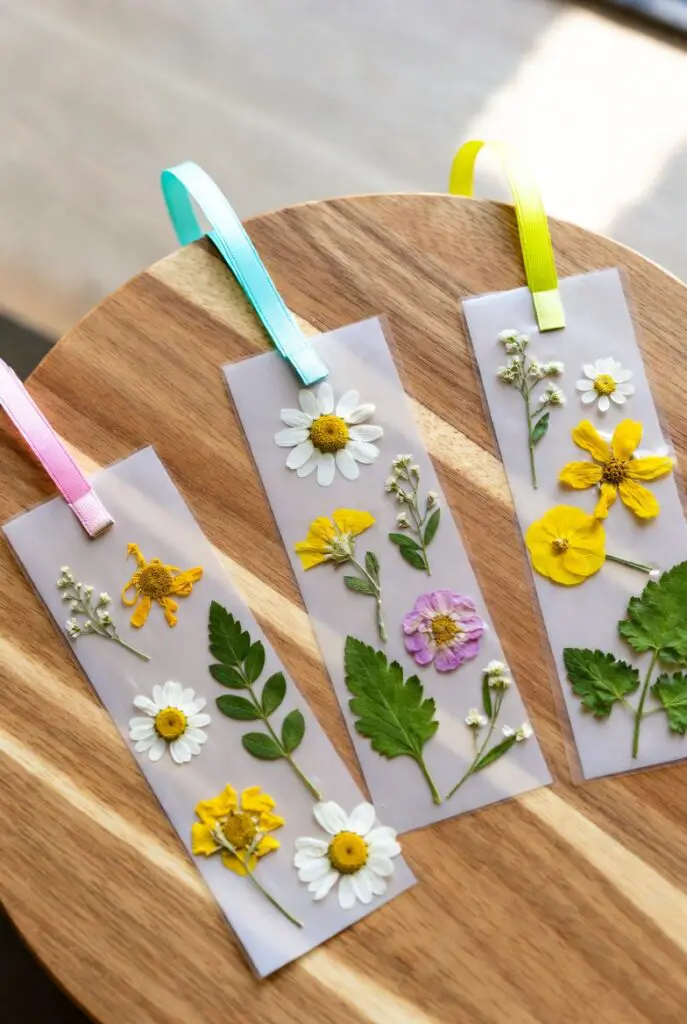
12. Pressed Flower Bookmarks
Flowers or leaves collected on a walk dry flat between paper and become permanent markers. The process teaches patience while waiting for the flowers to dry.
Materials
- Fresh small flowers or leaves
- Heavy books or flower press
- White paper or card stock
- Clear contact paper or laminating sheets
- Ribbon
Steps
- Place flowers or leaves between two sheets of paper inside a heavy book.
- Leave them pressed for at least one week.
- Cut card stock into bookmark shapes.
- Arrange the dried flowers on the card stock and cover with contact paper.
- Punch a hole at the top and tie a short ribbon through it.
The bookmarks slide into summer reading books and remind children of the day the flowers were gathered.
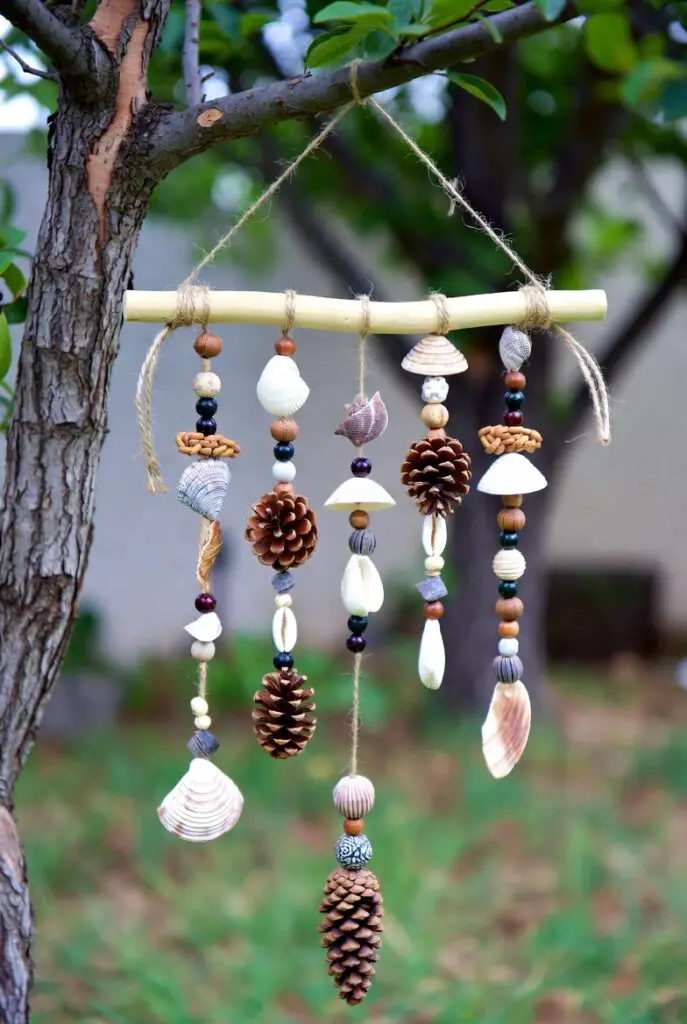
13. Natural Material Wind Chimes
Sticks, shells, and pinecones from one outing become sound makers. The project combines collecting, sorting, and simple knot tying.
Materials
- Strong stick or driftwood piece
- String or fishing line
- Small shells, beads, or pinecones
- Drill or hammer and nail (adult use for holes)
Steps
- Make small holes in shells or choose items that already have natural openings.
- Cut varying lengths of string.
- Tie one end of each string to the stick and the other end to a shell or pinecone.
- Hang the stick horizontally from two longer strings tied to a tree branch or porch hook.
- Listen for the different tones when the wind moves the pieces.
The chimes change sound slightly after rain, which often leads children to check them each morning.
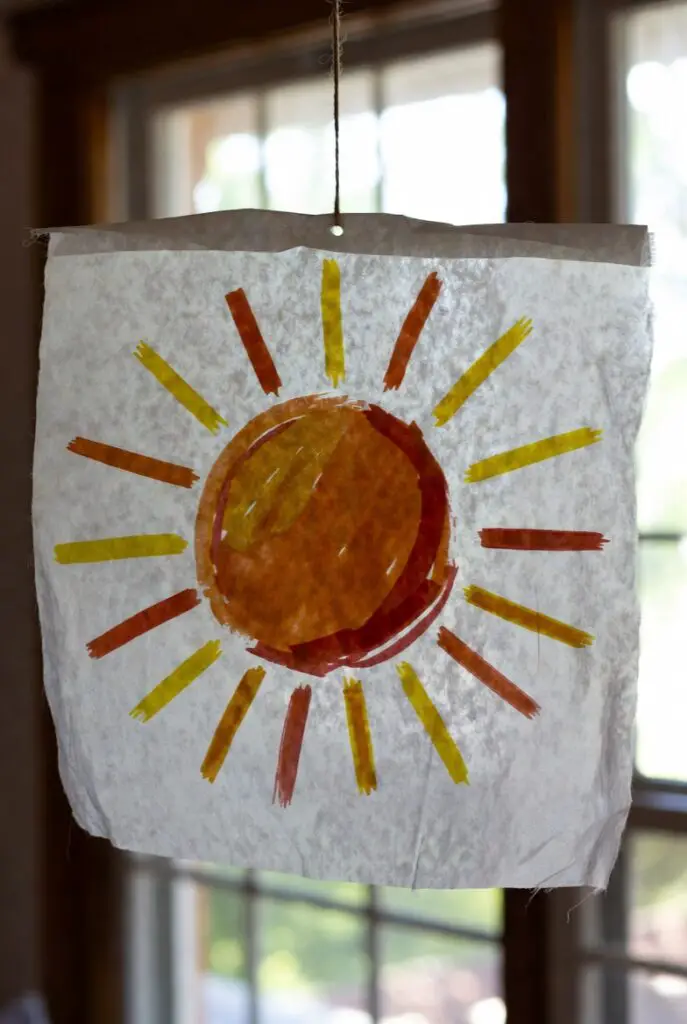
14. Coffee Filter Sun Art
Markers on coffee filters bleed when sprayed with water, creating soft summer color blends. The project needs almost no setup and dries quickly.
Materials
- Coffee filters
- Washable markers
- Spray bottle with water
- Paper towels
- String for hanging
Steps
- Flatten a coffee filter on paper towels.
- Draw thick lines or circles with several marker colors.
- Lightly spray the filter with water so the colors spread.
- Let it dry completely, about fifteen minutes.
- Punch a hole and hang near a window to catch the light.
Each filter turns out slightly different, which encourages children to make several and compare results.
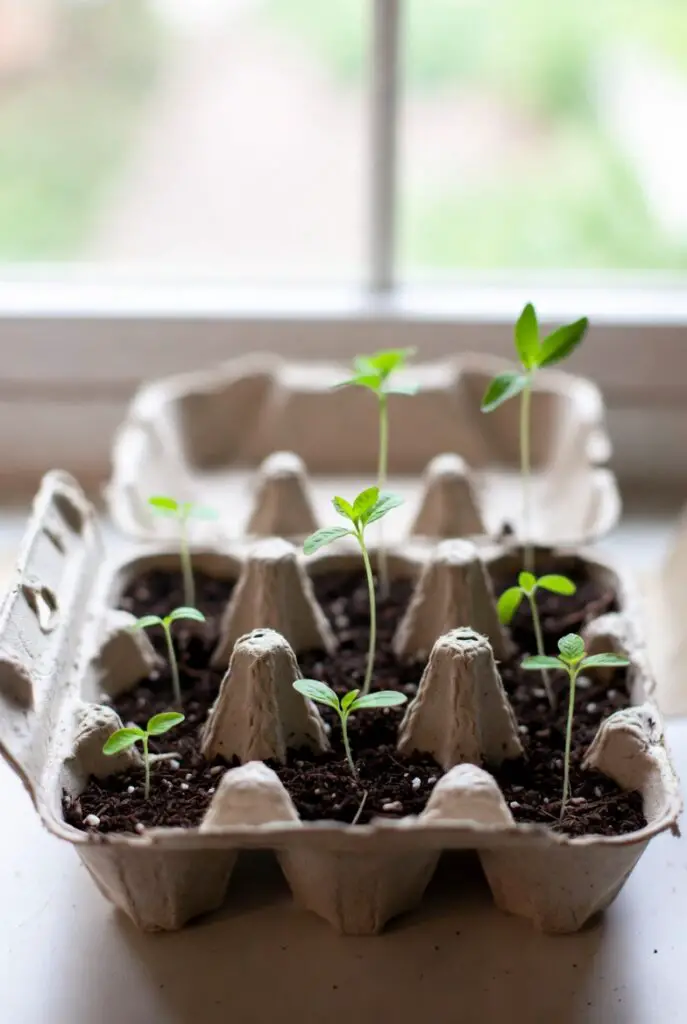
15. Egg Carton Seed Starters
Cardboard egg cartons divide into small planting cells. The project moves from indoor starting to outdoor transplanting later in summer.
Materials
- Cardboard egg carton
- Potting soil
- Seeds for quick growers such as beans or marigolds
- Spray bottle for water
- Tray to catch drips
Steps
- Cut the lid off the carton and set the base in a tray.
- Fill each cell with soil.
- Plant one or two seeds per cell and cover lightly with more soil.
- Mist with water until damp.
- Place in a sunny spot and check moisture daily.
When seedlings appear, the carton can move outside or individual cells can be planted directly into garden soil.
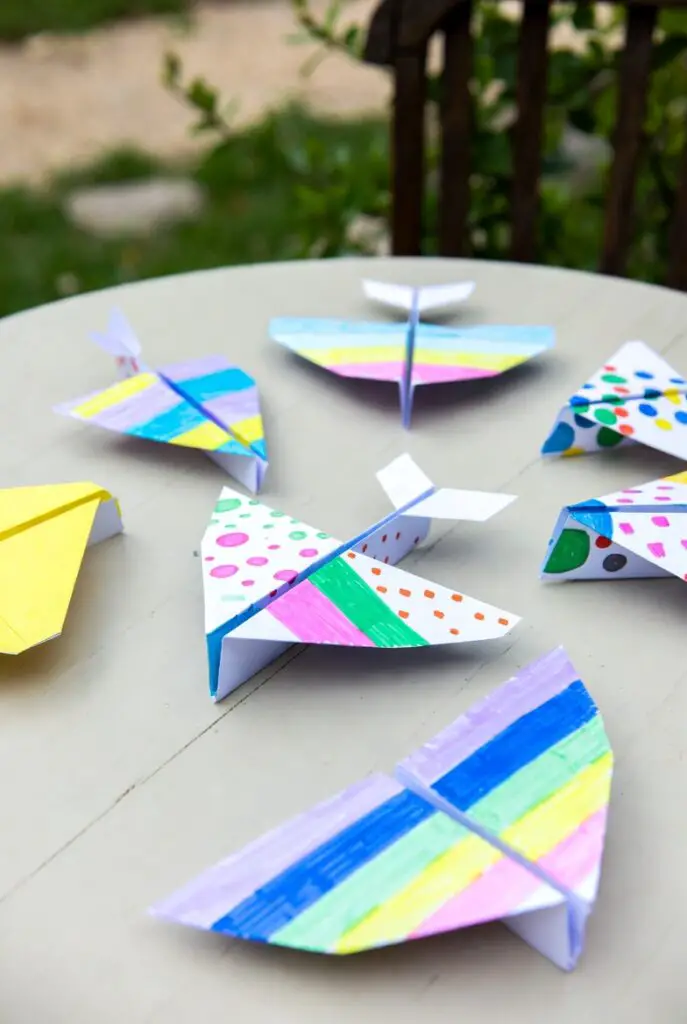
16. Decorated Paper Airplanes
Classic paper airplanes gain summer details with markers and tape. The folding remains the same while decoration adds personal style.
Materials
- Letter-size paper
- Markers or crayons
- Tape
- Outdoor space for flying
Steps
- Fold a basic paper airplane following any standard pattern.
- Decorate the wings and body with summer colors or patterns.
- Add a small tape reinforcement on the nose if desired.
- Test fly and adjust folds for better distance or loops.
- Keep a simple chart of which designs flew farthest.
The activity moves easily from table to yard and back again when adjustments are needed.
17. Contact Paper Sun Catchers
Sticky contact paper holds tissue scraps in place without glue mess. The translucent result glows when light passes through.
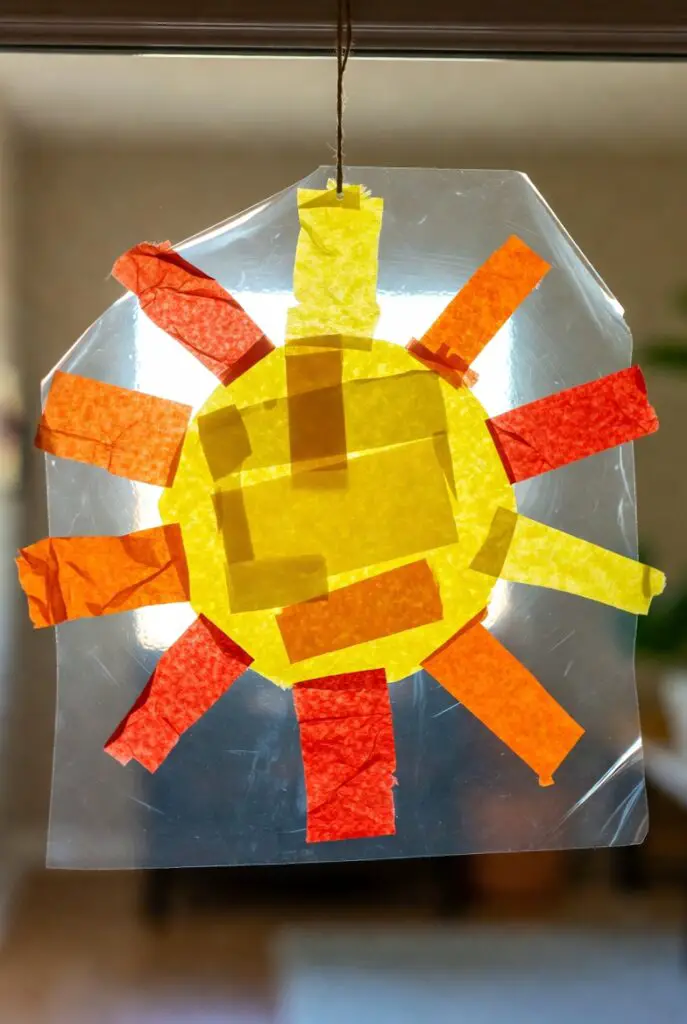
Materials
- Clear contact paper
- Tissue paper in bright colors
- Scissors
- Black construction paper for frames (optional)
- String
Steps
- Cut two identical shapes from contact paper, such as circles or suns.
- Peel the backing from one piece and lay it sticky side up.
- Tear or cut small tissue pieces and press them onto the sticky surface.
- Peel the backing from the second piece and press it over the first to seal.
- Add a paper frame if desired and hang in a window.
The colors shift as sunlight moves across the room during the day.
18. Pinecone Bird Feeders
Pinecones rolled in peanut butter and seed provide food for birds while giving children a reason to watch the feeder daily.
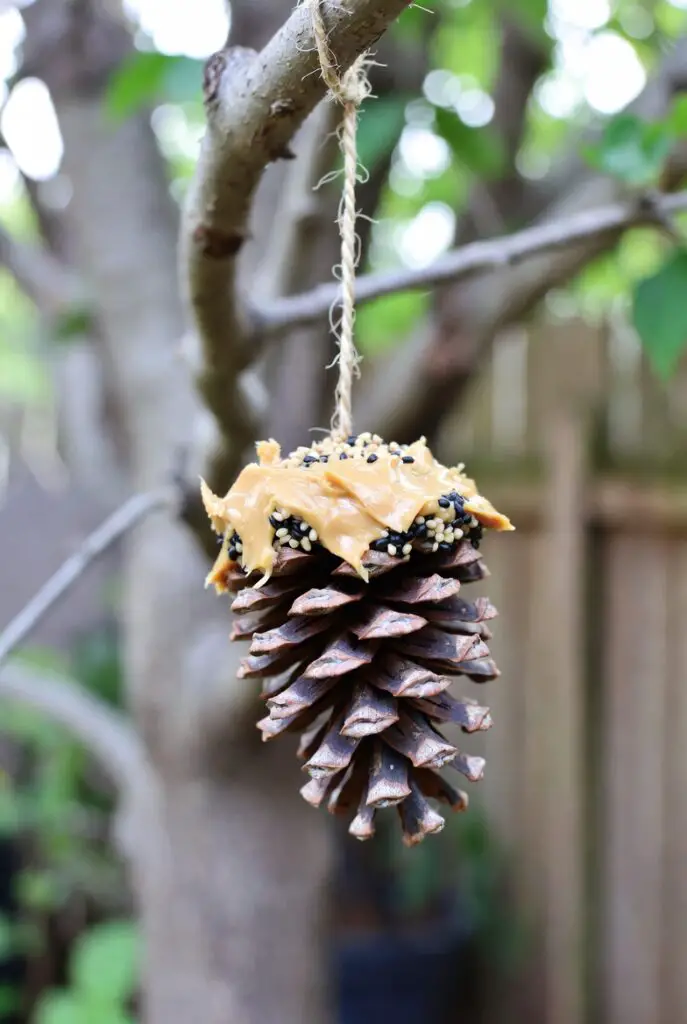
Materials
- Large pinecones
- Peanut butter or suet
- Bird seed
- String or pipe cleaner
- Plate or shallow dish
Steps
- Tie string or a pipe cleaner around the top of the pinecone for hanging.
- Spread peanut butter into the spaces between the scales.
- Roll the pinecone in bird seed on a plate until well coated.
- Hang from a tree branch visible from a window.
- Refill when empty and note which birds visit most often.
The feeder often becomes a daily observation point and a topic at dinner.
19. Recycled Jar Lanterns
Clean jars dressed with tissue paper or paint become soft light sources for evening porches. Battery tea lights keep the project safe.
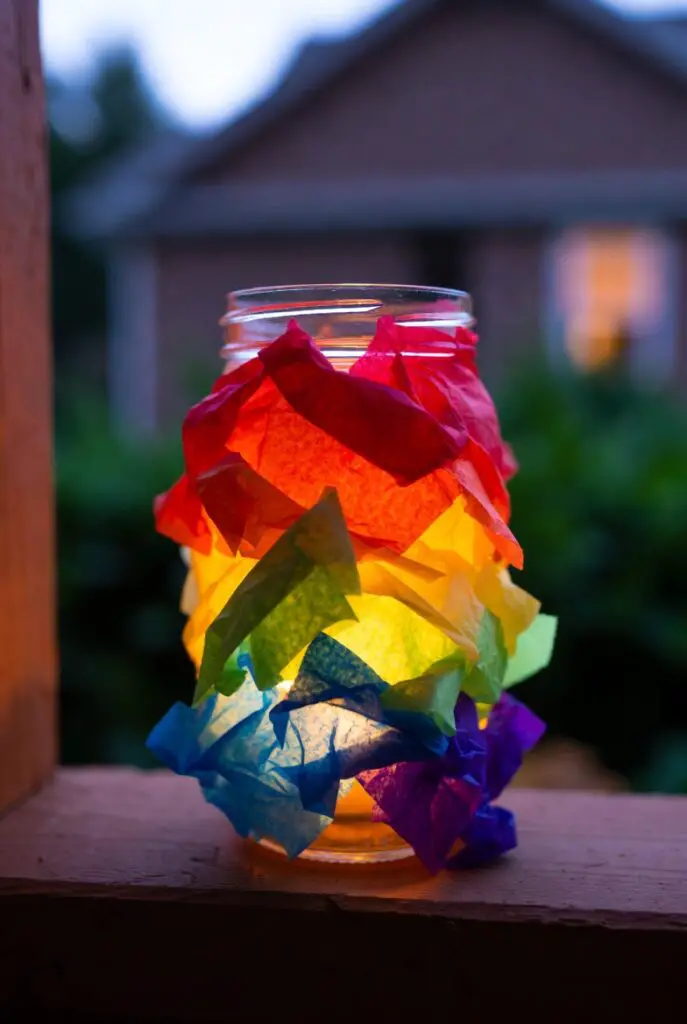
Materials
- Clean glass jars
- Tissue paper or paint
- White glue thinned with water
- Battery-operated tea lights
- String or wire for handles
Steps
- Cut or tear tissue paper into small pieces.
- Brush thinned glue on the outside of the jar and press tissue pieces onto it.
- Continue until the jar is covered and let it dry.
- Place a battery tea light inside.
- Add a wire handle if desired and hang or set on a table after dark.
The soft glow invites quiet conversation or storytelling once the sun sets.
20. Summer Color Friendship Bracelets
Simple braids or knots in bright floss create wearable reminders of summer days. The repetitive motion soothes while patterns emerge.
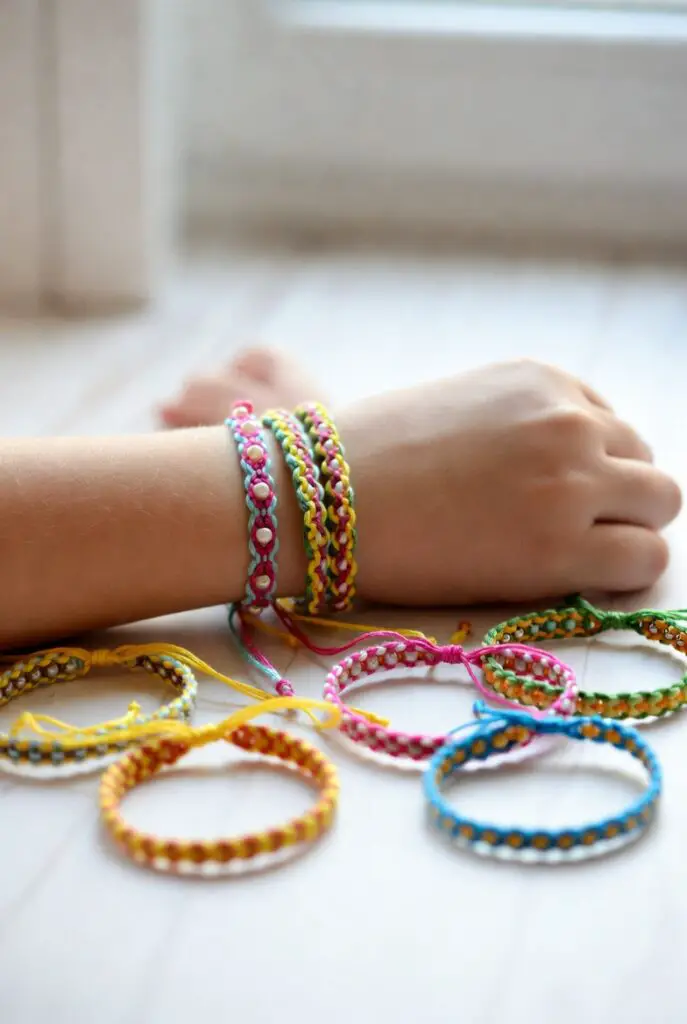
Materials
- Embroidery floss in summer colors
- Scissors
- Tape or clipboard to hold work
- Beads (optional)
Steps
- Cut three or more lengths of floss about twenty inches long.
- Knot the ends together and tape the knot to a surface.
- Braid or knot the strands in a repeating pattern, adding beads if wanted.
- Continue until the bracelet fits around the wrist.
- Tie off the end and trim excess.
Children often make several and trade them with friends or family members before the season ends.
21. Cardboard Tube Binoculars
Two tubes taped together become field glasses for nature walks or backyard watching. The simple build encourages children to look more closely at ordinary sights.
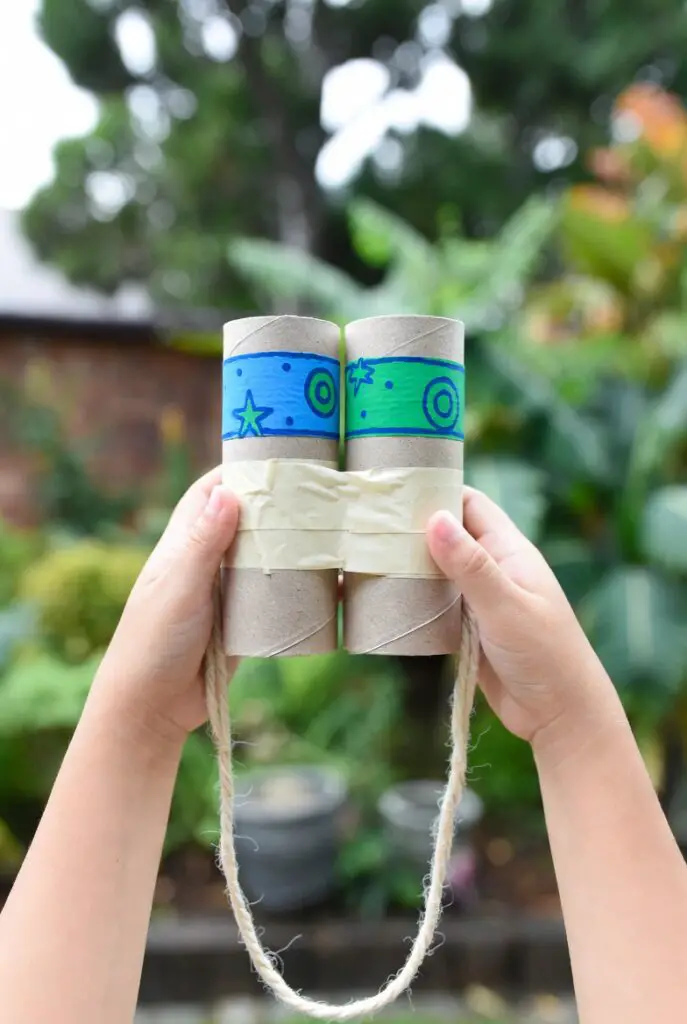
Materials
- Two cardboard tubes from paper towels or toilet paper
- Tape or glue
- Markers or paint
- String or yarn
- Hole punch
Steps
- Tape the two tubes side by side along their lengths.
- Decorate the outside with markers or paint.
- Punch a hole on the outer side of each tube near one end.
- Thread string through the holes and knot to create a neck strap.
- Adjust the string length and head outside to use them.
Once the binoculars are ready, step outside and see what small details in the garden or sky become visible through the simple lenses.